There’s something genuinely satisfying about walking out of a salon with perfectly shaped, freshly polished nails. But professional nail care services go far beyond aesthetics — they’re an investment in your health, hygiene, and confidence. Whether you’re considering your first salon visit or you’re a regular looking to make smarter choices, this guide breaks down everything you need to know.
Let’s get into it.
What Professional Nail Care Services Actually Include
A lot of people think a nail appointment is just about slapping on some polish. That couldn’t be further from the truth. Professional nail care is a structured, skill-based service that covers everything from nail health to cuticle maintenance.
Here’s what a full-service nail treatment typically involves:
- Nail shaping and filing — cutting nails to your preferred length and refining edges
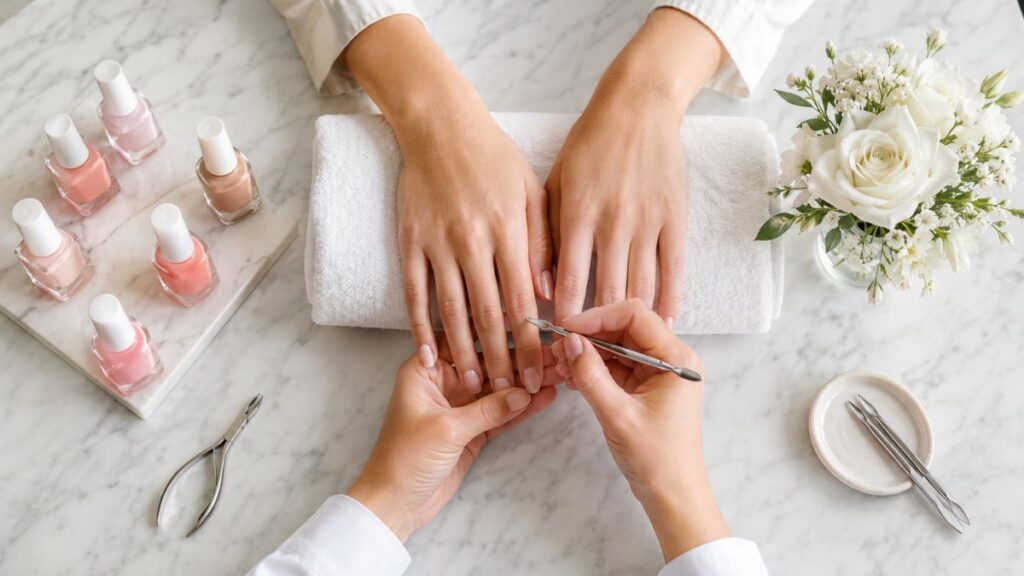
- Cuticle care — softening, pushing back, and trimming overgrown cuticles
- Exfoliation — removing dead skin from hands or feet
- Moisturizing massage — improving circulation and keeping skin supple
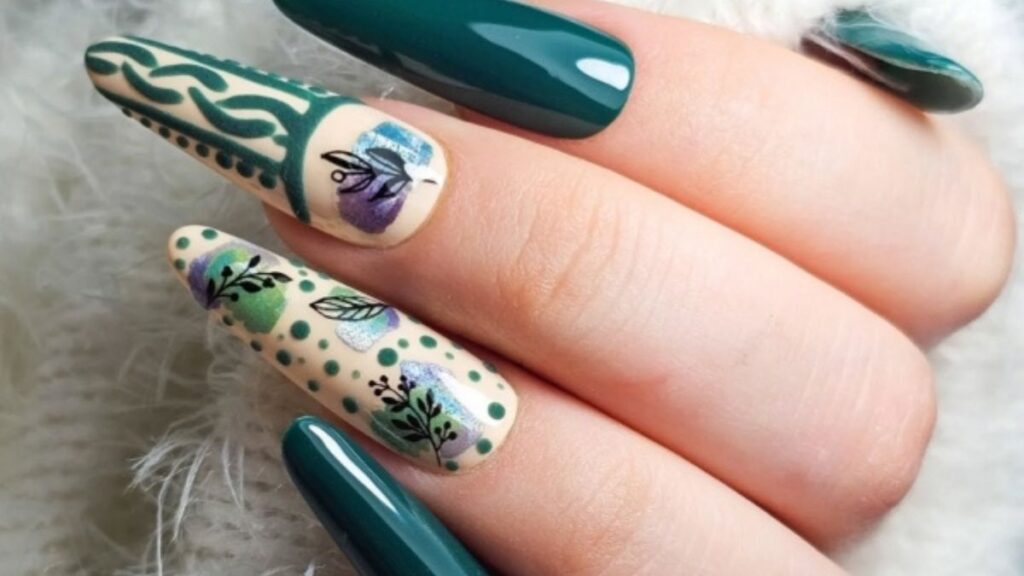
- Polish or gel application — from classic lacquer to long-lasting gel or acrylic extensions
- UV curing (for gel) — sealing the color for chip-free wear up to three weeks
Most salons also offer add-ons like paraffin wax treatments, nail art, or strengthening overlays.
Types of Nail Services: A Quick Comparison
| Service Type | Duration | Longevity | Best For |
|---|---|---|---|
| Classic Manicure | 30–45 mins | 3–5 days | Maintenance & bare nails |
| Gel Manicure | 45–60 mins | 2–3 weeks | Long-lasting color |
| Acrylic Extensions | 60–90 mins | 3–4 weeks | Length and strength |
| Pedicure (Basic) | 45–60 mins | 1–2 weeks | Foot health & polish |
| Spa Pedicure | 60–90 mins | 1–2 weeks | Full relaxation + treatment |
| Nail Art / Design | Varies | Varies | Special occasions |
Knowing what each service involves helps you walk in with realistic expectations — and choose what genuinely suits your lifestyle.
The Real Benefits of Visiting a Nail Salon
So why not just do it yourself at home? Fair question. The honest answer is that there’s a significant gap between a DIY job and what a trained technician delivers.
Health and Hygiene Advantages
Nail technicians are trained to spot early signs of nail problems — fungal infections, ingrown nails, brittle nail syndrome, or skin conditions like psoriasis. Catching these early can prevent bigger issues down the line.
Professional salons also use sterilized tools and medical-grade sanitizers. This matters more than most people realize. Reusing unsterilized instruments — even at home — can transfer bacteria and lead to infection.
Lasting Results You Can’t Replicate at Home
Gel application, in particular, requires precise technique to avoid lifting, air bubbles, and premature chipping. A technician who applies gel every day has a level of skill and muscle memory that’s genuinely hard to match.
Similarly, nail shaping — especially for square, coffin, or almond styles — benefits from professional tools and an experienced eye for symmetry.
Mental and Emotional Benefits
This one often gets overlooked. Regular nail appointments offer a built-in self-care ritual. The massage component of most manicures and pedicures genuinely helps reduce tension in the hands and feet, while the focused “you time” has real mental health value.
How to Choose the Right Nail Salon
Not all salons are created equal. Here’s how to separate the great from the mediocre.
Key Factors to Evaluate
| Factor | What to Look For |
|---|---|
| Hygiene Standards | Autoclaved tools, disposable liners in foot baths, fresh towels |
| Technician Licensing | State or national certification displayed |
| Ventilation | Good airflow or proper ventilation systems |
| Product Quality | Reputable brands for polish, gel, and acrylics |
| Reviews & Reputation | Recent Google or Yelp reviews from real clients |
| Pricing Transparency | Clear menu with no hidden charges |
Don’t hesitate to ask questions before booking. A good salon will welcome them.
Red Flags to Watch Out For
- Tools taken out of drawers without visible sterilization
- Strong chemical smells with no air circulation
- Technicians who rush through treatments without proper prep
- Unusually low prices that seem too good to be true
- No licensing certificates on the walls
Trust your instincts. If something feels off during your first visit, it probably is.
Pros and Cons of Professional Nail Care Services
Let’s be straightforward — like any service, there are trade-offs worth knowing.
Pros
- Expert technique that delivers cleaner, longer-lasting results
- Early detection of nail or skin health issues
- Hygienic environment with professionally sterilized equipment
- Wide range of services — from basic maintenance to elaborate nail art
- Relaxation and wellness benefits from hand and foot massages
- Time efficiency — what might take you 45 minutes of imperfect effort takes a pro 20
Cons
- Cost — regular visits add up, especially for gel or acrylic services
- Time commitment — scheduling and travel take planning
- Risk of poor hygiene at low-quality salons (avoidable with research)
- Chemical exposure — some products contain ingredients like formaldehyde or MMA that warrant caution
- Potential nail damage from improper removal of gel or acrylics
Common Mistakes People Make with Nail Care
Even experienced salon-goers make these errors. Avoiding them will save you time, money, and frustration.
1. Picking or peeling off gel polish This strips the top layer of your natural nail, leading to thinning and weakness. Always have gel removed professionally or use the correct foil-and-acetone method at home.
2. Skipping the base coat Whether at home or at the salon, a base coat protects the natural nail from staining and creates better polish adhesion.
3. Going too long between appointments Leaving gel or acrylics on past their recommended lifespan encourages lifting, which traps moisture and can breed bacteria.
4. Choosing a salon purely on price A $10 manicure might seem like a bargain until you’re dealing with a nail infection. Quality costs — and it’s worth it.
5. Ignoring nail health between visits Cuticle oil, daily moisturizing, and wearing gloves while cleaning go a long way in maintaining your results.
Best Practices for Getting the Most from Your Nail Appointments
Whether you go monthly or every few weeks, these habits will maximize your results.
Before Your Appointment
- Remove old nail polish at home to save time in the salon
- Avoid cutting your own cuticles — let the technician handle it
- Don’t shave your legs before a pedicure (small cuts can become entry points for bacteria)
- Arrive with clean, bare nails when possible
During Your Appointment
- Communicate clearly about the shape, length, and style you want — show reference photos
- Speak up if anything feels uncomfortable or painful
- Ask about the products being used if you have sensitivities
After Your Appointment
- Apply cuticle oil daily to prolong the life of your manicure
- Wear gloves for cleaning, dishwashing, or heavy-duty tasks
- Avoid picking at the edges of gel polish
- Book your next appointment before you leave to maintain continuity
Nail Care Maintenance Schedule
| Nail Service | Recommended Frequency |
|---|---|
| Classic Manicure | Every 1–2 weeks |
| Gel Manicure | Every 2–3 weeks |
| Acrylic Fill-In | Every 2–3 weeks |
| Pedicure | Every 4–6 weeks |
| Nail Art Touch-Up | As needed |
Conclusion
Professional nail care services offer far more than a pretty finish. They’re a combination of skilled craftsmanship, health maintenance, and well-deserved self-care. When you choose a reputable salon, maintain your nails between appointments, and stay informed about what to look for, you get real, lasting value from every visit.
Whether you’re treating yourself after a long week or keeping up a regular wellness routine, there’s something deeply satisfying about putting your hands in the care of someone who genuinely knows what they’re doing. And if you’re looking to take things further at home, exploring the world of pro nails — from the right products to expert techniques — can make every day feel like a salon day. Your nails will thank you.
Frequently Asked Questions
For gel manicures, every 2–3 weeks is ideal. Classic manicures benefit from a weekly or biweekly schedule. Pedicures are best done every 4–6 weeks, depending on how quickly your toenails grow and your activity level.
Yes, with the right precautions. Inform your technician about any allergies or sensitivities before the service begins. Many salons offer hypoallergenic or 10-free polish options that avoid harsh chemicals like formaldehyde and toluene.
Gel manicures apply a polish-like coating over your natural nails and cure under UV light. Acrylics use a liquid-and-powder mixture to build artificial extensions or overlays. Gel is more flexible and natural-looking; acrylics offer more length and structural strength.
Look for autoclaved or individually packaged tools, clean foot baths with disposable liners, proper ventilation, and visible licensing. You can also ask the technician directly about their sterilization process — a professional salon will have no problem answering.
Absolutely. Consistent professional care removes dead skin, prevents ingrown nails, improves blood circulation through massage, and catches early signs of nail or skin conditions. Using quality cuticle oils and moisturizers recommended by your technician also significantly strengthens nails over time.