We have all been there. You reach for your favorite nail polish, twist open the cap, and find a thick, gloopy mess that refuses to go on smoothly. Before you toss it in the trash, there is a simple fix: nail polish thinner. This unsung hero of the beauty world can bring a dried-out bottle back to life in just a few drops. Whether your polish has been sitting in a drawer for months or it just started to thicken up, a good thinner makes all the difference.
In this guide, you will learn exactly what nail polish thinner is, how to use it properly, what to avoid, and how to choose the right product for your needs. Let us dive in.
What Is Nail Polish Thinner and How Does It Work?
Nail polish thinner is a specially formulated solvent designed to restore the original consistency of thick or dried nail polish. It works by replenishing the solvents that have evaporated from the formula over time, bringing it back to a smooth, brush-friendly texture.
The most common active ingredients in commercial nail polish thinners include ethyl acetate and butyl acetate — the same base solvents used in nail polish formulas themselves. This compatibility is what makes them so effective. They blend seamlessly into the existing polish without altering the color or finish.
Nail Polish Thinner vs. Nail Polish Remover
A lot of people make the mistake of using nail polish remover to thin out thick polish — and that is a recipe for a ruined bottle. Here is why they are not the same thing:
| Feature | Nail Polish Thinner | Nail Polish Remover |
| Main Purpose | Restore polish consistency | Dissolve and remove polish |
| Key Ingredient | Ethyl/butyl acetate | Acetone or non-acetone solvents |
| Effect on Polish | Blends in and restores formula | Breaks down and destroys formula |
| Safe to Add to Bottle? | Yes — designed for this | No — will ruin the polish |
| Finish Impact | Preserves color and shine | Strips pigment and affects finish |
| Drying Time | No negative effect | Slows down and disrupts drying |
The acetone in nail polish remover actively breaks down the lacquer. Adding it to a polish bottle will separate the pigments and leave you with a streaky, unusable mess. Always use a dedicated thinner.
Signs Your Nail Polish Needs a Thinner
Not every thick polish needs a thinner — sometimes the formula is simply old beyond saving. But in most cases, a few drops can make a surprising difference. Here are the signs to look for:
- The brush drags or pulls instead of gliding smoothly
- The polish strings or forms bubbles when applied
- Clumps appear on the brush or around the bottle neck
- The cap is increasingly difficult to open
- The polish takes much longer than usual to dry
- The color looks streaky or patchy with each stroke
If your bottle checks two or more of these boxes, it is a prime candidate for a thinner. Act sooner rather than later — the more a polish thickens, the harder it becomes to fully restore.
How to Use Nail Polish Thinner the Right Way
Using a nail polish thinner is simple, but doing it correctly ensures you get the best results without wasting product or damaging your polish.
Step-by-Step Application Guide
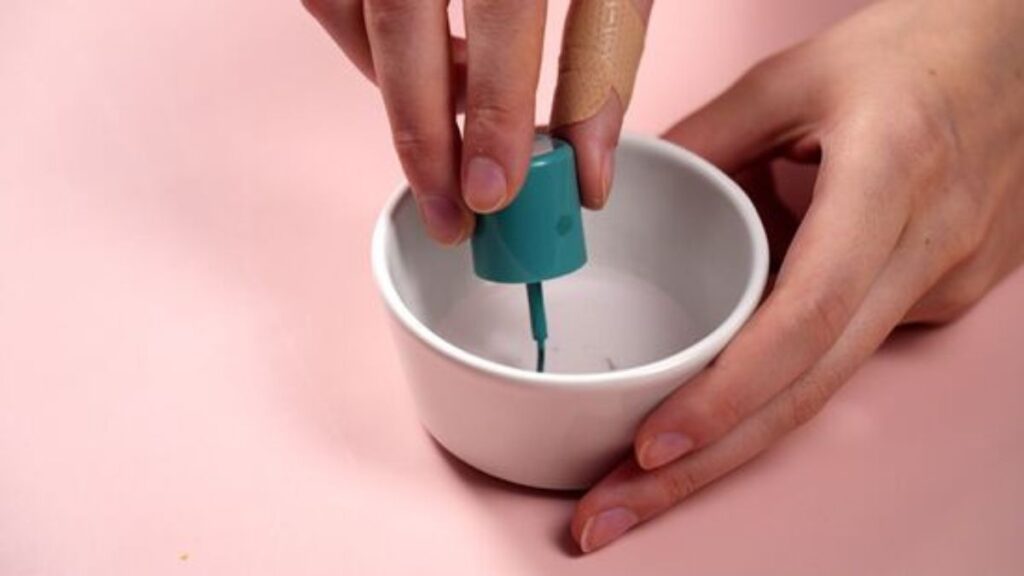
Step 1: Start with just 1–2 drops. Less is always more — you can always add more, but you cannot remove it.
Step 2: Close the bottle tightly and roll it between your palms for 30 to 60 seconds. Never shake the bottle — shaking creates air bubbles that lead to a bumpy finish.
Step 3: Test the consistency on a piece of paper or your nail. If it still seems thick, add one more drop and roll again.
Step 4: Repeat as needed, but avoid adding more than 3–4 drops per session to preserve the formula.
The rolling technique is key. It mixes the thinner evenly through the polish without introducing air. Think of it like warming up a tube of paint — gentle and deliberate.
Types of Nail Polish Thinners: Which One Is Right for You?
Not all thinners are created equal. The best choice depends on your polish formula and how you use your nails.
| Type | Best For | Key Benefit | Watch Out For |
| Standard Solvent Thinner | Regular lacquer polishes | Affordable, widely available | Not suitable for gel or specialty polish |
| Gel Polish Thinner | UV/LED gel formulas | Preserves gel consistency | Must match the gel brand where possible |
| Acetate-Free Thinner | Sensitive users or 5-free polishes | Gentler formula, fewer fumes | May need more drops to achieve results |
| Brand-Specific Thinner | High-end or specialty brands | Optimized for that brand’s formula | More expensive, less versatile |
For everyday at-home use, a standard commercial thinner like Seche Restore or OPI Nail Lacquer Thinner works well for the vast majority of regular polishes.
Pros and Cons of Using Nail Polish Thinner
The Pros
- Extends the life of your polish significantly — often by months or years
- Saves money by reducing how often you replace bottles
- Restores smooth, even application for a professional finish
- Easy to use at home with no special tools required
- Environmentally friendlier than throwing away bottles of polish
The Cons
- Overuse can permanently alter the formula — too many drops thin it out too much
- Results vary depending on how old or degraded the polish is
- Not compatible with all formula types (gel, peel-off, water-based)
- Some thinners have strong fumes — always use in a ventilated space
- An already badly separated polish may not be fully restorable
Common Mistakes People Make With Nail Polish Thinner
Even a simple product like this comes with its fair share of misuse. Avoid these pitfalls to get the best results every time.
Using Nail Polish Remover Instead
As covered earlier, acetone-based removers destroy the lacquer formula. No matter how tempting it is to reach for what you already have, this shortcut will ruin the bottle entirely.
Shaking the Bottle After Adding Thinner
Shaking creates tiny air bubbles throughout the polish. When those bubbles land on your nail, they leave behind small craters and an uneven surface. Always roll, never shake.
Adding Too Much at Once
It is tempting to flood the bottle when your polish is really thick. But too much thinner at once results in polish that is too runny, dries too slowly, and does not adhere properly. Add drops one at a time and test between each addition.
Ignoring the Bottle Neck
Thickened polish often builds up around the rim and the brush neck. Before adding thinner, wipe the neck clean with a cotton pad soaked in remover. A clean seal helps the thinner work better and keeps the bottle from becoming permanently stuck.
Using Thinner on Gel Polish With a Regular Formula
Gel polish has a completely different chemistry. Adding a standard thinner to a gel formula will alter its viscosity in unpredictable ways and potentially affect its ability to cure under a UV lamp. Always match the thinner type to your formula.
Best Practices for Storing and Maintaining Your Nail Polish
Prevention is better than cure. By storing your polishes correctly, you can significantly slow down the thickening process and reduce how often you need a thinner at all.
| Best Practice | Why It Matters | Pro Tip |
| Store upright in a cool, dark place | Prevents air mixing and UV degradation | A drawer or dedicated polish rack works well |
| Keep lids tightly closed after each use | Reduces solvent evaporation | Wipe the neck before closing every time |
| Avoid storing in the bathroom | Heat and humidity speed up thickening | Try a bedroom dresser drawer instead |
| Roll — never shake — before use | Mixes polish without creating bubbles | Warm between palms for extra smoothness |
| Clean the brush before recapping | Prevents dry-build up around the neck | A quick wipe on a lint-free cloth helps |
Following these habits consistently will keep your collection in good shape for much longer — and save you money in the long run.
Conclusion
Nail polish thinner is one of those beauty tools that might seem minor but makes a genuinely big impact. It is affordable, easy to use, and capable of rescuing bottles that most people would throw away. Whether you are a casual polish wearer or a dedicated nail enthusiast, having a bottle on hand just makes sense.
The key takeaways are simple: use a dedicated thinner (never remover), add drops one at a time, always roll instead of shaking, and match your thinner to your formula type. Do that, and your polishes will stay smooth, vibrant, and ready to use for a long time.
Take care of your collection, and your nails will thank you for it.
Frequently Asked Questions About Nail Polish Thinner
Start with 1–2 drops per session. Roll the bottle between your palms after each addition and test the consistency before adding more. For most polishes, 2–3 drops is the sweet spot.
No. Acetone is the active ingredient in nail polish remover and will break down the lacquer formula rather than restoring it. Always use a product specifically labeled as a nail polish thinner.
You can use thinner multiple times over the life of a bottle, but each time you do, you are diluting the formula slightly. Most experts recommend no more than three to four thinning sessions before the polish is past its prime.
A quality nail polish thinner should not alter the color or finish of your polish when used correctly. Using too much, or using the wrong product, may cause slight changes in pigment intensity or finish.
Most thinners have a shelf life of two to three years when stored in a cool, dark place with the cap tightly closed. Check the product label for the manufacturer’s guidance.
/ You May Also Read /
Can You Apply Nail Polish on Gel? Everything You Need to Know
White Tips with Nail Art: The Ultimate Guide to Elevating Your French Manicure Game