Introduction
Nail art has quietly become one of the most creative ways to express personal style. It’s no longer just about a coat of polish. Today, people treat their nails like tiny canvases, experimenting with colors, textures, and patterns that reflect their mood or the season.
Whether you’re new to painting your own nails or you’ve been doing it for years, there’s always a new technique to try. This guide walks you through everything you need to know, from basic tools to advanced designs, so you can create salon-quality looks at home.
What Is Nail Art Exactly?
Nail art refers to the practice of decorating fingernails or toenails with designs, colors, and embellishments that go beyond a simple polish application. It includes techniques like hand-painting, stamping, stickers, gems, and gradient effects.
In short, nail art is:
- A form of self-expression through nail decoration
- A blend of beauty and creativity
- Achievable with basic tools or professional-grade equipment
Why Nail Art Has Become So Popular
Social media platforms have played a huge role in pushing nail art into the mainstream. People share their designs, and this constant exposure inspires others to try it themselves.
Beyond trends, nail art also offers:
- A low-cost way to refresh your look
- An outlet for creativity without commitment (unlike hair color or tattoos)
- A confidence boost, especially before events or vacations
Essential Tools for Nail Art Beginners
Getting started doesn’t require an expensive kit. A few basics go a long way.
| Tool | Purpose | Beginner-Friendly? |
|---|---|---|
| Base coat | Protects nails and helps polish adhere | Yes |
| Thin detail brush | Creates lines, dots, and fine designs | Yes |
| Dotting tool | Makes uniform dots and floral patterns | Yes |
| Striping tape | Achieves clean geometric lines | Yes |
| Nail stamping plate | Transfers pre-made designs quickly | Yes |
| Top coat | Seals design and adds shine | Yes |
| Rhinestones/gems | Adds dimension and sparkle | Moderate |
Once you’re comfortable with these basics, you can move on to gel systems, airbrushing, or 3D nail art techniques.
Popular Nail Art Styles Right Now
Minimalist Nail Art
Simple lines, single accent nails, and negative space designs dominate this trend. It’s clean, professional-friendly, and quick to do.
French Tip Variations
The classic French manicure has evolved. Colored tips, angled lines, and double outlines are replacing the plain white edge.
Chrome and Metallic Finishes
These reflective, mirror-like finishes use a special powder rubbed onto gel polish. They photograph beautifully and last through several weeks with proper sealing.
Abstract and Textured Designs
Think swirls, marble effects, and mismatched patterns across different fingers. This style rewards experimentation over precision.
How to Do Nail Art at Home (Step-by-Step)
- Prep your nails by trimming, filing, and pushing back cuticles.
- Apply a thin base coat and let it dry completely.
- Paint your base color in two thin coats for even coverage.
- Add your design using a brush, dotting tool, or stamping plate.
- Let each layer dry before adding the next element.
- Seal everything with a glossy or matte top coat.
- Clean up edges with a small brush dipped in acetone.
Patience matters more than skill here. Rushing between layers is the most common reason designs smudge.
Nail Art Techniques Compared
| Technique | Skill Level | Time Required | Longevity |
|---|---|---|---|
| Hand-painted designs | Intermediate–Advanced | 30–60 minutes | 1–2 weeks |
| Nail stamping | Beginner | 15–20 minutes | 1–2 weeks |
| Gel nail art | Intermediate | 45–60 minutes | 2–3 weeks |
| Press-on nail art | Beginner | 10–15 minutes | 1–2 weeks |
| Acrylic 3D art | Advanced | 60+ minutes | 3–4 weeks |
This comparison helps you choose a method based on how much time and experience you have.
Practical Examples of Nail Art Looks
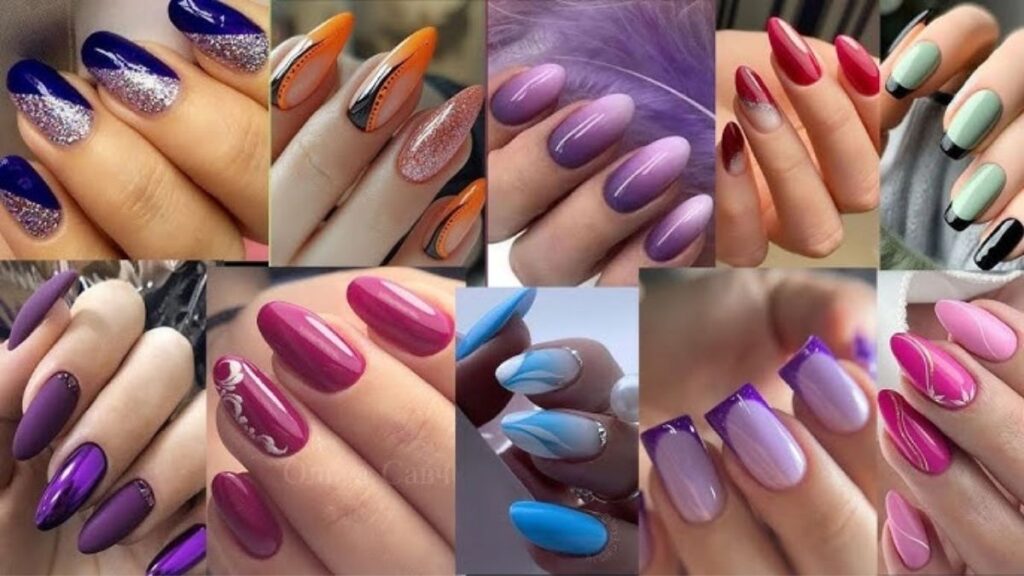
- Everyday office look: Nude base with one metallic accent nail
- Weekend brunch look: Pastel gradient with tiny floral accents
- Party night look: Deep jewel tones with chrome or glitter tips
- Vacation look: Bright tropical colors with fruit or wave patterns
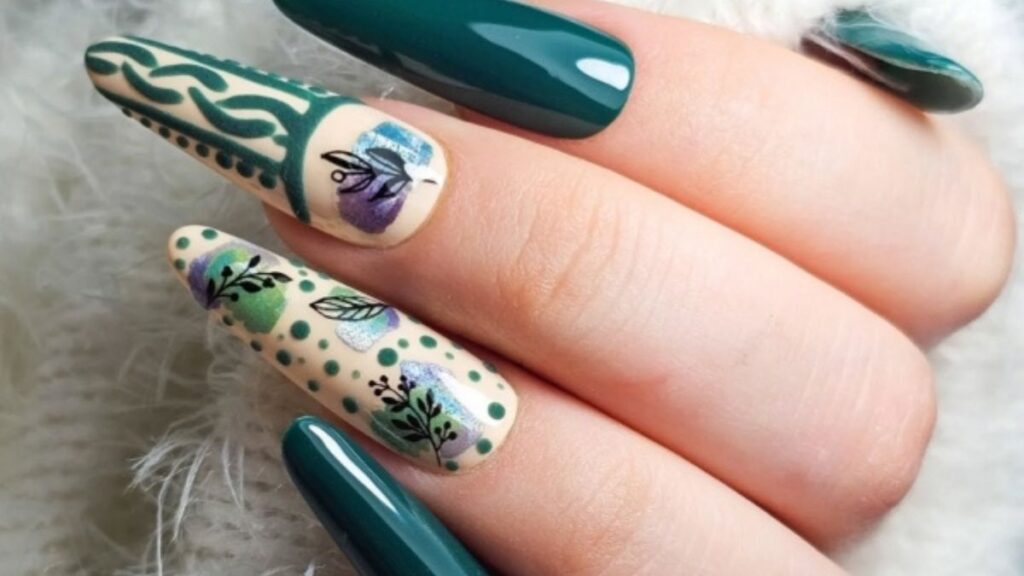
- Seasonal look: Warm oranges and browns with leaf-inspired line art for autumn
These examples show how nail art adapts easily to occasions without needing a completely new skill set each time.
Pros and Cons of DIY Nail Art
Pros:
- Saves money compared to salon visits
- Allows unlimited creative freedom
- Can be done on your own schedule
- Great stress-relieving hobby
Cons:
- Learning curve for detailed designs
- Requires patience and steady hands
- Initial tool investment for advanced looks
- Touch-ups may be needed sooner without gel systems
Common Nail Art Mistakes to Avoid
- Skipping the base coat: This leads to staining and shorter wear time.
- Applying thick polish layers: Thick coats take longer to dry and often smudge.
- Ignoring cuticle prep: Uneven cuticles make designs look messy at the edges.
- Rushing the top coat: A top coat applied too early can drag wet designs.
- Overcrowding the design: Too many elements on one nail can look cluttered rather than intentional.
Best Practices for Long-Lasting Nail Art
- Always cap the free edge of the nail with each polish layer.
- Use thin coats rather than one thick application.
- Let nails cure under a lamp if using gel-based products.
- Moisturize cuticles daily to keep the surrounding skin healthy.
- Reapply top coat every few days to extend shine and prevent chipping.
Following these habits significantly extends how long your designs stay intact, whether you’re using regular polish or gel systems.
Choosing the Right Nail Art Style for Your Lifestyle
Not every design suits every routine. If you work with your hands often, simpler designs with strong top coats last longer. If you have more flexibility, intricate hand-painted art or 3D elements let you fully showcase creativity.
Consider these factors before choosing a style:
- Your daily activities and hand movement
- How often you can do touch-ups
- Your comfort level with tools and techniques
- The occasion you’re preparing for
Conclusion
Nail art is one of the easiest ways to add a personal touch to your everyday style. It doesn’t require expensive tools or professional training to get started, just a little patience and practice. Over time, small steady improvements lead to designs that feel both polished and uniquely yours.
Whether you prefer subtle minimalist lines or bold chrome finishes, there’s a nail art style that fits your personality and lifestyle. The best part is that you can always try something new the next time you sit down with a bottle of polish.
Frequently Asked Questions
1. What is the easiest nail art design for beginners?
Simple accent nails, like adding one metallic or patterned nail to an otherwise plain set, are the easiest place to start.
2. How long does nail art typically last?
Regular polish designs usually last one to two weeks, while gel-based nail art can last two to three weeks with proper care.
3. Do I need special tools to do nail art at home?
No, basic tools like a thin brush, dotting tool, and striping tape are enough to create most beginner designs.
4. Is nail art bad for nail health?
Nail art itself isn’t harmful, but frequent removal with acetone or skipping base coats can weaken nails over time.
5. Can nail art be done on short nails?
Yes, short nails work well with minimalist designs, accent lines, and small dot patterns that don’t require much surface space.
/ You May Also Read /
Metallic Nail Polish: Stunning Shine, Trends, and Application Guide for 2026
How to Remove Acrylic Nails Without Acetone: Safe At-Home Methods That Actually Work